Chapter 3 – The Legal Foundation
From Barnette to Kennedy v. Bremerton, the Court has ruled that no creed may be compelled by the state.
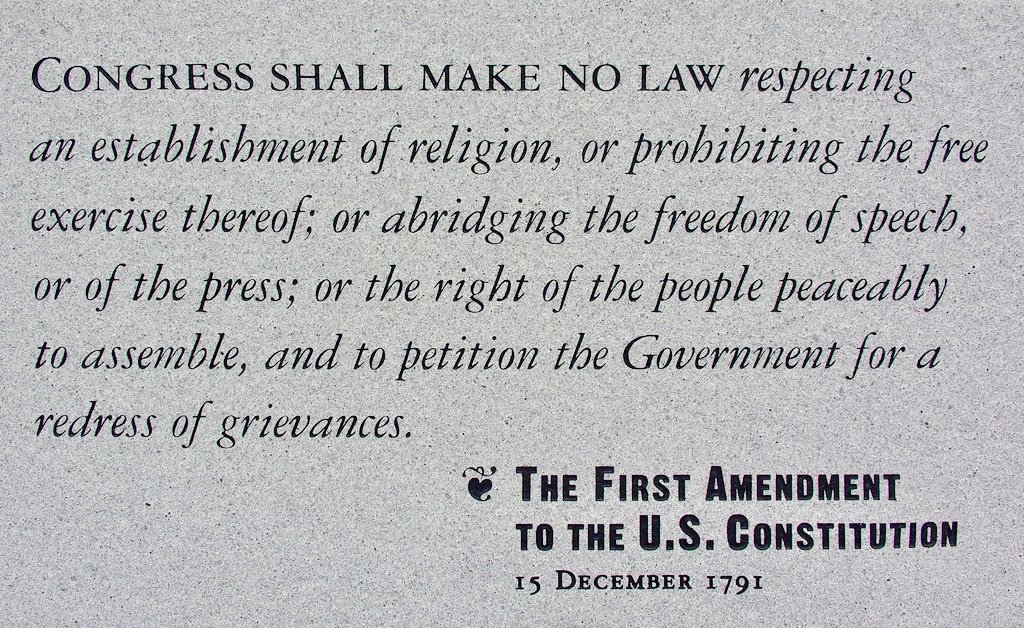
The First Amendment was written to ensure that government could never dictate the conscience of the people. It guarantees both free exercise of religion and a government that remains neutral, neither establishing nor prohibiting belief (opinion).
This balance is the beating heart of American liberty. It means that every person is free to worship — or not — according to conscience, while government may not compel faith, punish dissent, or elevate one creed above all others.
The Supreme Court has enforced this principle repeatedly. In West Virginia v. Barnette (1943), Justice Jackson declared:
⭐ “If there is any fixed star in our constitutional constellation, it is that no official, high or petty, can prescribe what shall be orthodox in politics, nationalism, religion, or other matters of opinion.”
In Engel v. Vitale (1962) and Abington v. Schempp (1963), the Court struck down school-sponsored prayer and Bible readings, reaffirming that government neutrality protects both majority and minority faiths.
In more recent years, the Court has also protected free exercise. In Kennedy v. Bremerton School District (2022), the justices ruled that a football coach praying privately on the field was exercising his rights — and that neutrality means government may not discriminate against religious expression simply because it is religious.
Justice Neil Gorsuch has emphasized that the law’s most important work is protecting unpopular beliefs, not just comfortable ones. Justice Clarence Thomas has insisted that constitutional rights cannot be reduced to “second-class” status, subject to majority preference.
The principle is simple but profound: government must not compel or suppress creed. Whether the threat comes from dominion theology, socialist dogma, gender ideology, or Islamism, the line is the same: neutral government, free people.
From freedom of conscience, we turn to another structural safeguard: the jury trial and due process — protections that prevent government from punishing citizens without the people’s voice.