Chapter 3 – The Legal Foundation
Madison and Gorsuch agree: only sound structure preserves freedom against encroachment.
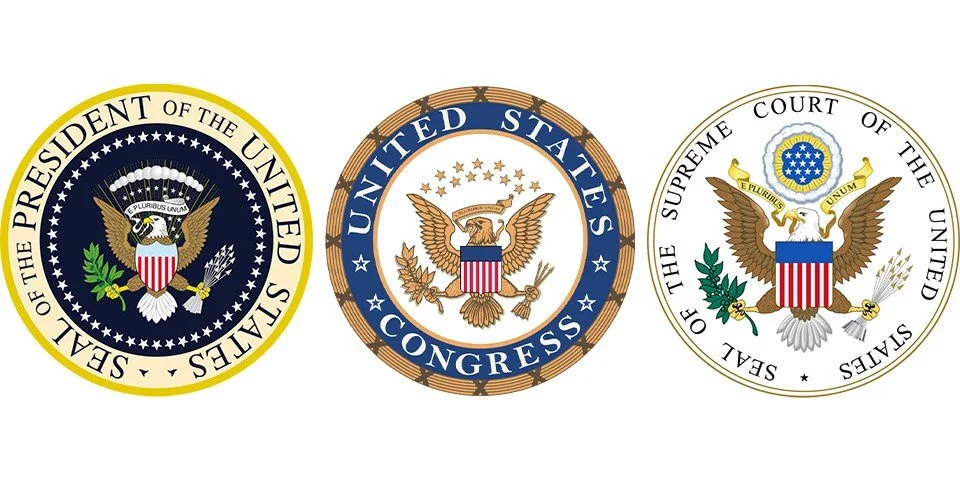
The Constitution protects liberty through structure, precedent, and neutral government.
The Founders knew that liberty would not endure on promises alone. Rights written on parchment mean little unless backed by a structure that restrains power. James Madison put it plainly:
⭐ “The accumulation of all powers, legislative, executive, and judiciary, in the same hands… may justly be pronounced the very definition of tyranny.” (Federalist No. 47)
That is why the Constitution separates government into three branches, each limited, each checked by the others. The design is not an accident — it is the safeguard of freedom.
Modern justices have echoed this principle. Justice Neil Gorsuch has written:
⭐ “The founders pursued the separation of powers as a vital guard against governmental encroachment on the people’s liberties.”
In case after case, Gorsuch has warned that when courts, agencies, or legislatures step beyond their bounds, liberty suffers. Whether it is a judge inventing new rights, an agency multiplying regulations without accountability, or a legislature trying to compel belief, the danger is the same: concentration of power in the hands of one.
Justice Clarence Thomas, too, has consistently argued that rights cannot be demoted or “balanced away” when power is convenient. His insistence that the Second Amendment is not a “second-class right” applies more broadly: no part of the Constitution can be downgraded by majority will.
The structure of separation — Congress making law, the executive enforcing law, the judiciary interpreting law — is not red tape. It is liberty’s shield. When respected, it keeps government in its place and leaves citizens free to author their own lives.
From the structure of separated powers, we turn to the First Amendment and neutrality — the principle that government must neither compel creed nor establish orthodoxy, whether in religion, politics, or identity.