Chapter 1 - The Founders' Vision
Washington modeled humility and restraint, proving liberty endures when leaders refuse unchecked power.
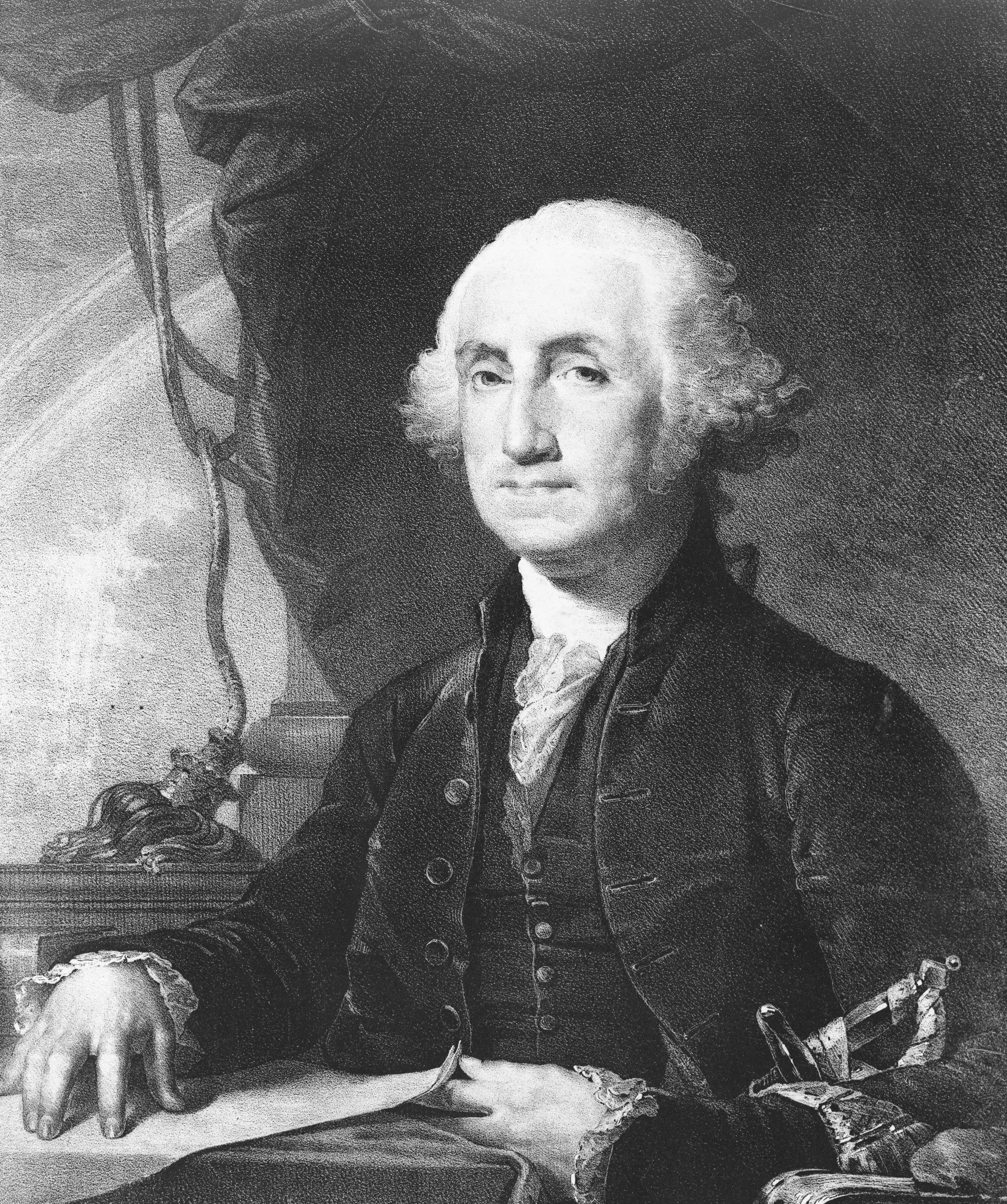
Rules of Civility & Restraint
If Madison was the architect of liberty, George Washington was its living example. As commander of the Continental Army, he could have seized power; as the first president, he could have held it for life. Instead, he chose restraint. Twice he gave up power — once when he resigned his commission after victory in the Revolution, and again when he stepped down from the presidency after two terms.
In his Farewell Address (1796), Washington warned of the dangers of factions and unchecked passion in politics. He knew that liberty does not end in a dramatic collapse — it erodes when leaders put ambition above principle.
His example set the precedent that no office, no ideology, no man is greater than the Constitution itself. Washington’s refusal of unchecked power turned Madison’s structure into living practice.
Modern voices echo Washington’s lesson. Justice Gorsuch has warned against judges and agencies claiming authority the Constitution does not grant:
⭐ “The founders pursued the separation of powers as a vital guard against governmental encroachment on the people’s liberties.”
And Justice Thomas reminds us that constitutional rights cannot be balanced away for convenience or politics:
⭐ “The Second Amendment is not a second-class right.”
Washington’s humility is the standard we hold today’s leaders to — a standard violated by ideologies like the Seven Mountain Mandate, which seek to capture all “mountains” of power; by socialist systems that demand permanent central control; and by bureaucracies that multiply rules until no citizen can breathe freely.
Washington’s life testifies that the Constitution endures only when power is restrained, even when it would be easier — or more popular — to seize it.
If Washington embodied restraint, Patrick Henry embodied passion. His fiery cry for liberty reminds us that freedom must be defended with courage as well as humility.